42 label of tongue
Label Tongue Taste Areas Printout - EnchantedLearning.com Human Anatomy The tongue is a strong muscle in the mouth that is covered with papillae (small bumps on the tongue) and taste buds (that sense bitter, salty, sweet, and sour tastes). The taste buds are clustered along the sides of the tongue. Read the descriptions, then label the tongue below. taste (tongue labeling) Diagram | Quizlet Definition (least numerous) taste buds arranged in V formation on posterior surface of the tongue, cup shaped Location basic tastes sweet, salty, sour, bitter, umami sweet respond to sugar (fructose, sucrose, glucose), saccharine, some lead salts, and some amino acids, alcoholk salty due to influx of metal ions particularly sodium sour
23.3 The Mouth, Pharynx, and Esophagus - OpenStax The cheeks, tongue, and palate frame the mouth, which is also called the oral cavity (or buccal cavity). The structures of the mouth are illustrated in Figure 23.7. At the entrance to the mouth are the lips, or labia (singular = labium). Their outer covering is skin, which transitions to a mucous membrane in the mouth proper.
Label of tongue
Pictures: What Your Tongue Says About Your Health - WebMD 6 /12. If your tongue feels like you scalded it with hot coffee and tastes metallic or bitter, you may have burning mouth syndrome. It might mean a problem with the nerves in your tongue. Some ... Healthy Tongue: Pictures, Conditions, Treatments, and More Your tongue may look dark yellow, brown, or black. Also, the papillae may multiply, giving off the "hairy" appearance. This tongue condition may develop from: poor oral hygiene. taking ... Tongue Diagram with Detailed Illustrations and Clear Labels The tongue is an organ responsible for the manipulation of food during the process of chewing (also called mastication). Moreover, it is also responsible for the sensation of taste (along with the nose). Hence, you cannot taste or smell food when you have a fever or cold.
Label of tongue. The Taste Map of the Tongue You Learned in School Is All Wrong Sweet in the front, salty and sour on the sides and bitter at the back. It's possibly the most recognizable symbol in the study of taste, but it's wrong. In fact, it was debunked by chemosensory... Label the tongue - Liveworksheets.com Label the tongue Label the parts of the tongue ID: 1727488 Language: English School subject: Science Grade/level: 4 Age: 6-10 Main content: Label the parts of the tongue Other contents: Add to my workbooks (27) Download file pdf Embed in my website or blog Add to Google Classroom Tongue: Definition, Location, Anatomy & Function In most cases, tongue movement issues are due to nerve damage. With nerve damage, the muscles that control your tongue may be weak or paralyzed. Tongue-tie (ankyloglossia) can also make tongue movement difficult. With this condition, your frenum (the band of tissue that connects your tongue to the floor of your mouth) is too short. As a result, it’... Tongue Structure - Parts and Functions of Tongue - BYJU'S The tongue is made up of three elements: Epithelium Muscles Glands Epithelium The epithelium comprises papillae and taste buds. The taste buds help to sense taste. They are lined by squamous epithelial tissue and have a broad bottom. The taste cells are slender, rod-shaped with a nucleus in the centre. The free surface comprises short taste hair.
label the tongue Quiz - PurposeGames Feb 22, 2022 · label the tongue — Quiz Information. This is an online quiz called label the tongue. There is a printable worksheet available for download here so you can take the quiz with pen and paper. Popular Today. Global Atmospheric Circulation. Tongue: Anatomy, Function, and Disorders - Verywell Health Mar 3, 2023 · The visible parts of the tongue include: Root: This is most often defined as the back third of the tongue. It sits low in the mouth and near the throat, and it is relatively fixed in place. It is attached to the hyoid bone and mandible (lower jaw). It is close in proximity to two muscles: the geniohyoid and mylohyoid muscles. The Tongue - Muscles - Innervation - Vasculature - TeachMeAnatomy Extrinsic Muscles. The extrinsic muscles of the tongue originate from structures outside the tongue and insert onto it.. They are innervated by the hypoglossal nerve - with the exception of the palatoglossus, which is innervated by the vagus nerve.. Genioglossus. The genioglossus muscle is a large, thick muscle, which contributes significantly to the shape of the tongue. Lingual Frenulum: Treating and Preventing Abnormal Conditions - Healthline The lingual frenulum is a fold of tissue that helps to anchor and stabilize your tongue. It's important for many things, including speech and eating. There are a variety of conditions that can...
Taste Buds: Anatomy, Function, and Treatment - Verywell Health There are four types of papillae: Filiform: The most common, covering the tough surface of the tongue, and do not contain taste buds Fungiform: Located near the front of the tongue Circumvallate: Located near the back of the tongue Foliate: Located on the sides of the tongue Taste buds: anatomy and function. | Kenhub Taste buds are microscopic sensory organs containing chemosensory cells which synapse with afferent fibers of gustatory nerves. The number of taste buds in the oral cavity and uppermost gastrointestinal tract is subject to a high degree of interindividual variation (500-5000) while the number of cells in one taste bud can be up to 150. Due to the abrasive environment of the oral cavity ... Tongue: Anatomy, muscles, neurovasculature and histology - Kenhub Nov 30, 2022 · The base of the tongue refers to the postsulcal part that forms the ventral wall of the oropharynx, while the root of the tongue refers to a part of the presulcal tongue that is attached to the floor of the oral cavity. This article aims to discuss the development and gross anatomy of the tongue. Solved Structure of taste receptors Label the features of - Chegg Structure of taste receptors Label the features of the taste buds and of the tongue. Taste hair Motor nerve fibers Taste pore Sensory nerve fibers Papillae Epithelium of tongue Supporting cell Maculae Taste cell Taste buds Site of gustation receptors. This problem has been solved!
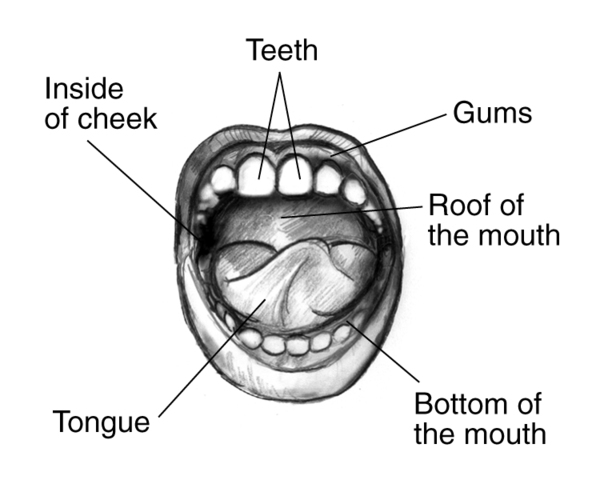
Mouth with labels for the teeth, gums, roof of the mouth ...
Human Tongue Diagram - BYJU'S The human tongue can be distinguished into three segments: the base, body, tip, or apex. The apex is present immediately behind the incisor teeth and is considered a mobile aspect of the tongue. It is followed by the body, which has rough superior and smooth inferior surfaces. The body is populated with three types of lingual papillae.

Label the different taste buds of human tongue - Brainly.in
Tongue Diagram with Detailed Illustrations and Clear Labels The tongue is an organ responsible for the manipulation of food during the process of chewing (also called mastication). Moreover, it is also responsible for the sensation of taste (along with the nose). Hence, you cannot taste or smell food when you have a fever or cold.

Draw a neat diagram of your tongue and label it's buds ...
Healthy Tongue: Pictures, Conditions, Treatments, and More Your tongue may look dark yellow, brown, or black. Also, the papillae may multiply, giving off the "hairy" appearance. This tongue condition may develop from: poor oral hygiene. taking ...
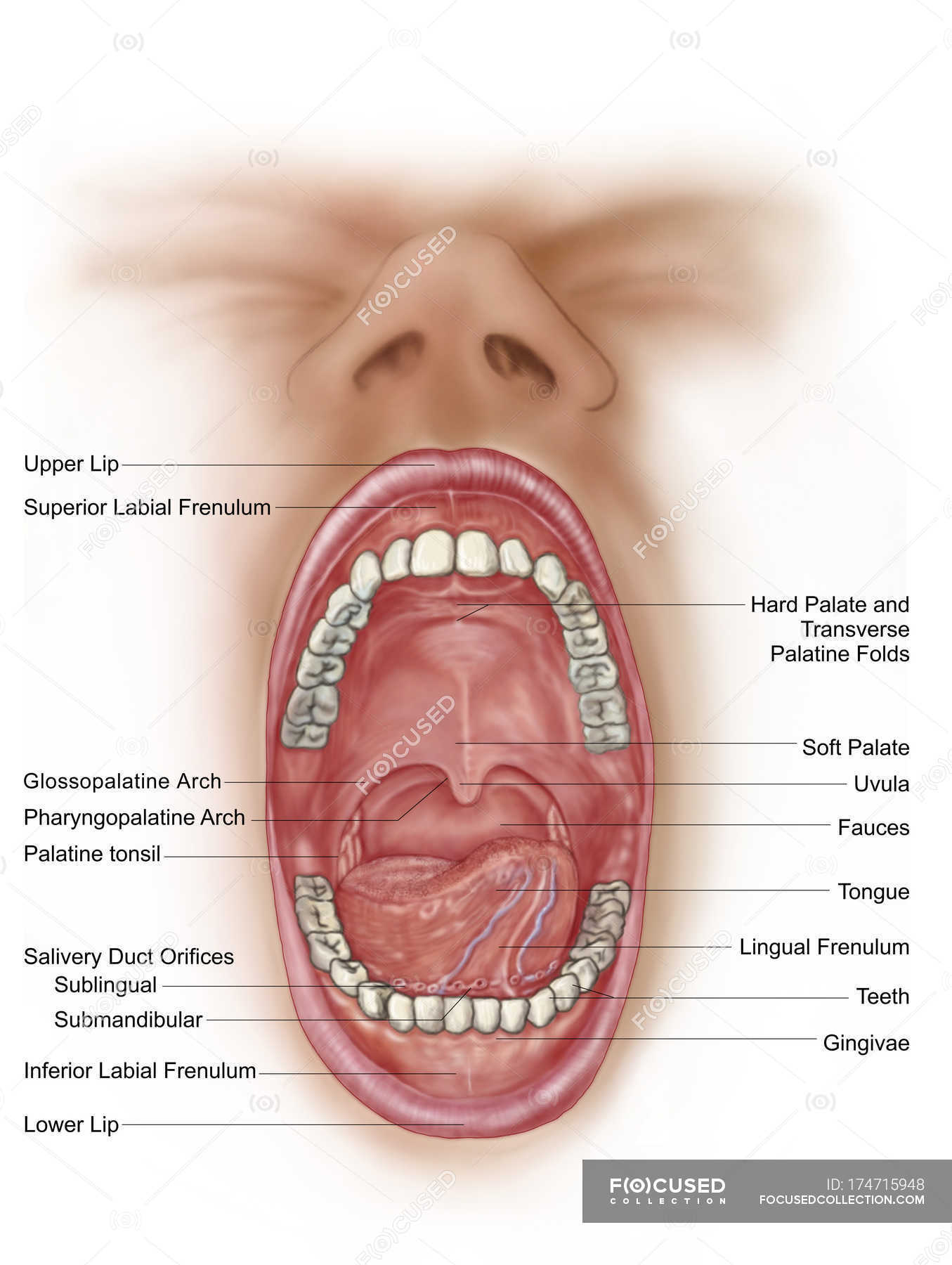
Anatomy of human mouth cavity with labels — fauces ...
Pictures: What Your Tongue Says About Your Health - WebMD 6 /12. If your tongue feels like you scalded it with hot coffee and tastes metallic or bitter, you may have burning mouth syndrome. It might mean a problem with the nerves in your tongue. Some ...

Human Tongue And Taste Buds Taste Map Stock Illustration ...
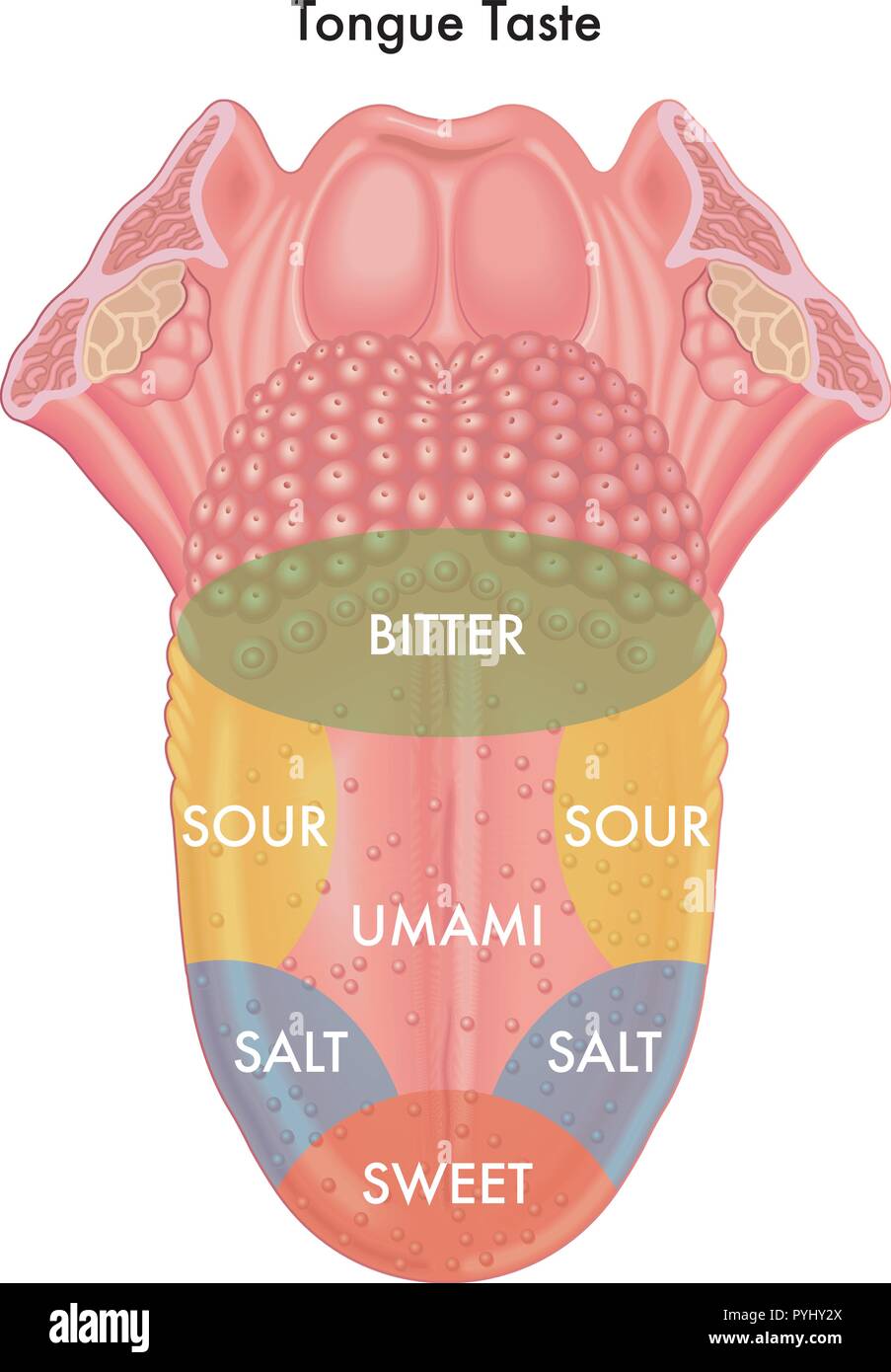
vector medical illustration of schematic map of the tongue ...
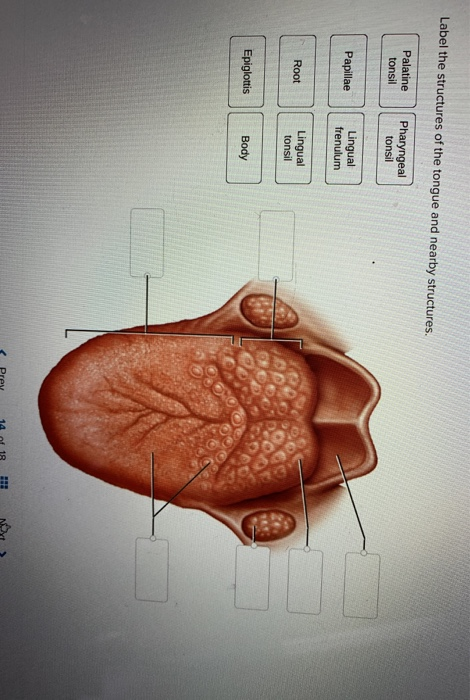
Solved Label the structures of the tongue and nearby | Chegg.com

Pup Art Mouth and Tongue, Sticker Label Stock Vector ...
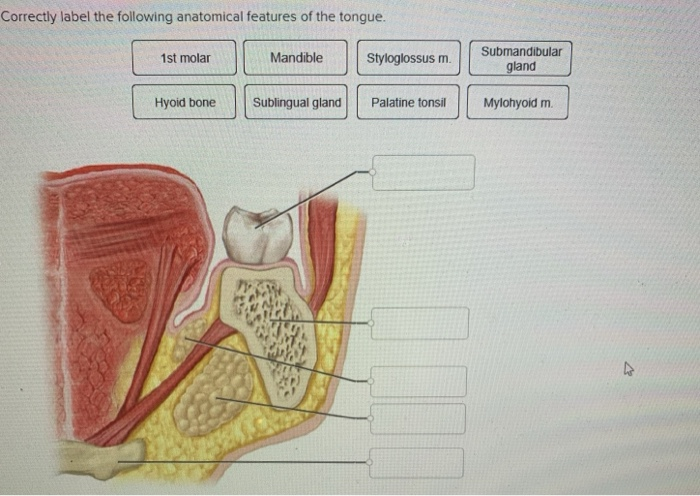
Solved Correctly label the following anatomical features of ...

Gray adorable cat with protruding tongue. Design element for ...
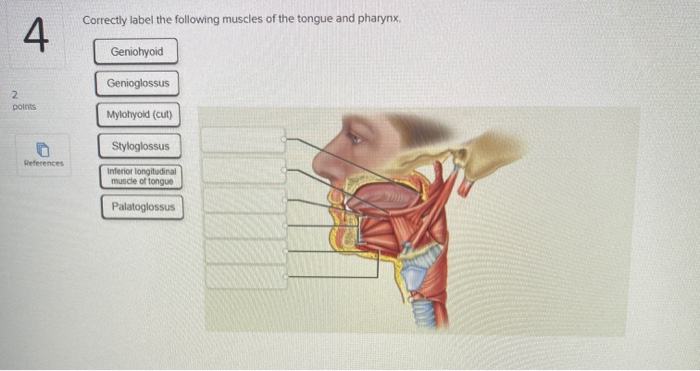
Solved Correctly label the following muscles of the tongue ...

Label the tongue worksheet

Lips, Mouth, Vector & Photo (Free Trial) | Bigstock

Traction Tongue Label T-Shirt Scarlet - Mens Clothing from ...
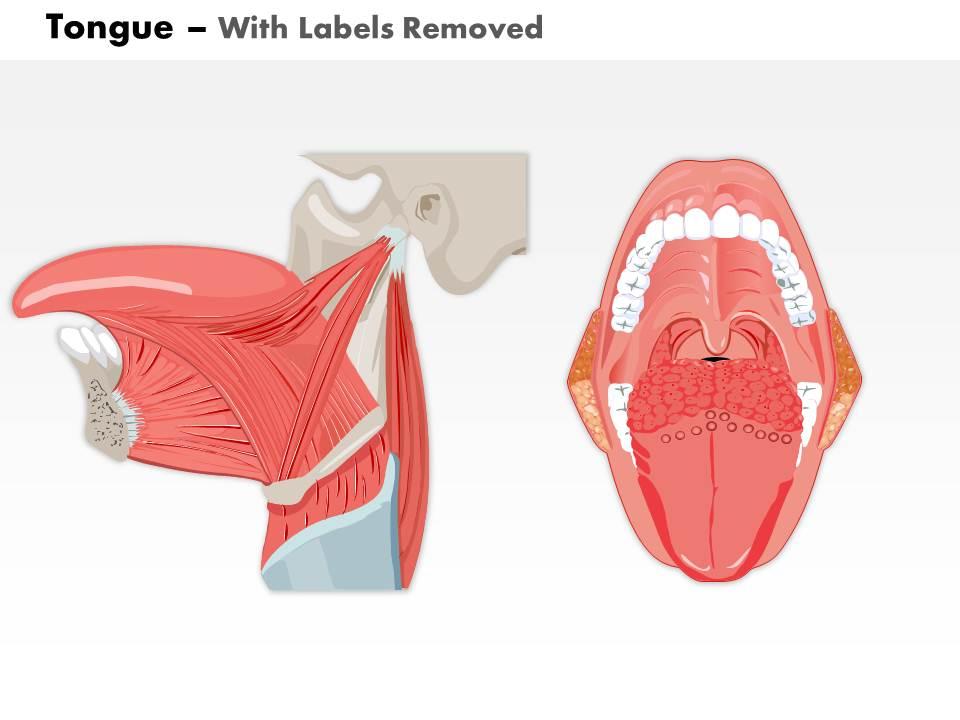
0514 Muscles That Move The Tongue Medical Images For ...

Tongue map - Wikipedia

443 Tongue Taste Buds Images, Stock Photos & Vectors ...
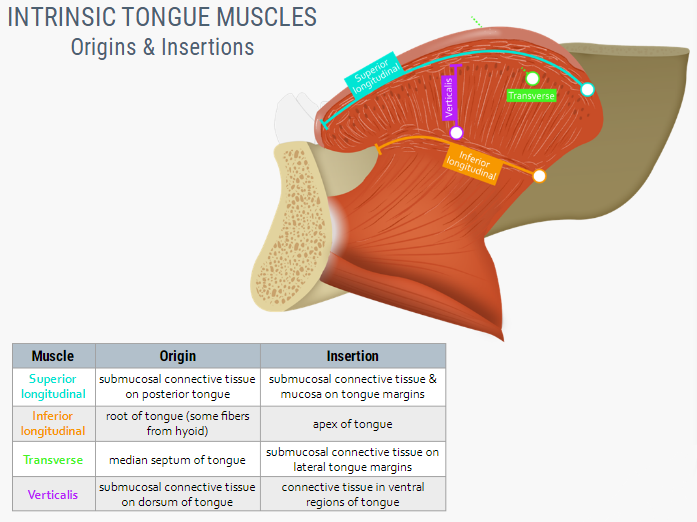
U.Br.Columbia - Drawing Origins and insertions of the ...

Customized Shoe Label Tongue Logo Suppliers & Manufacturers ...

Jual BAJU SNEAKERS Pria ADIDAS CAMO TONGUE LABEL TEE ...
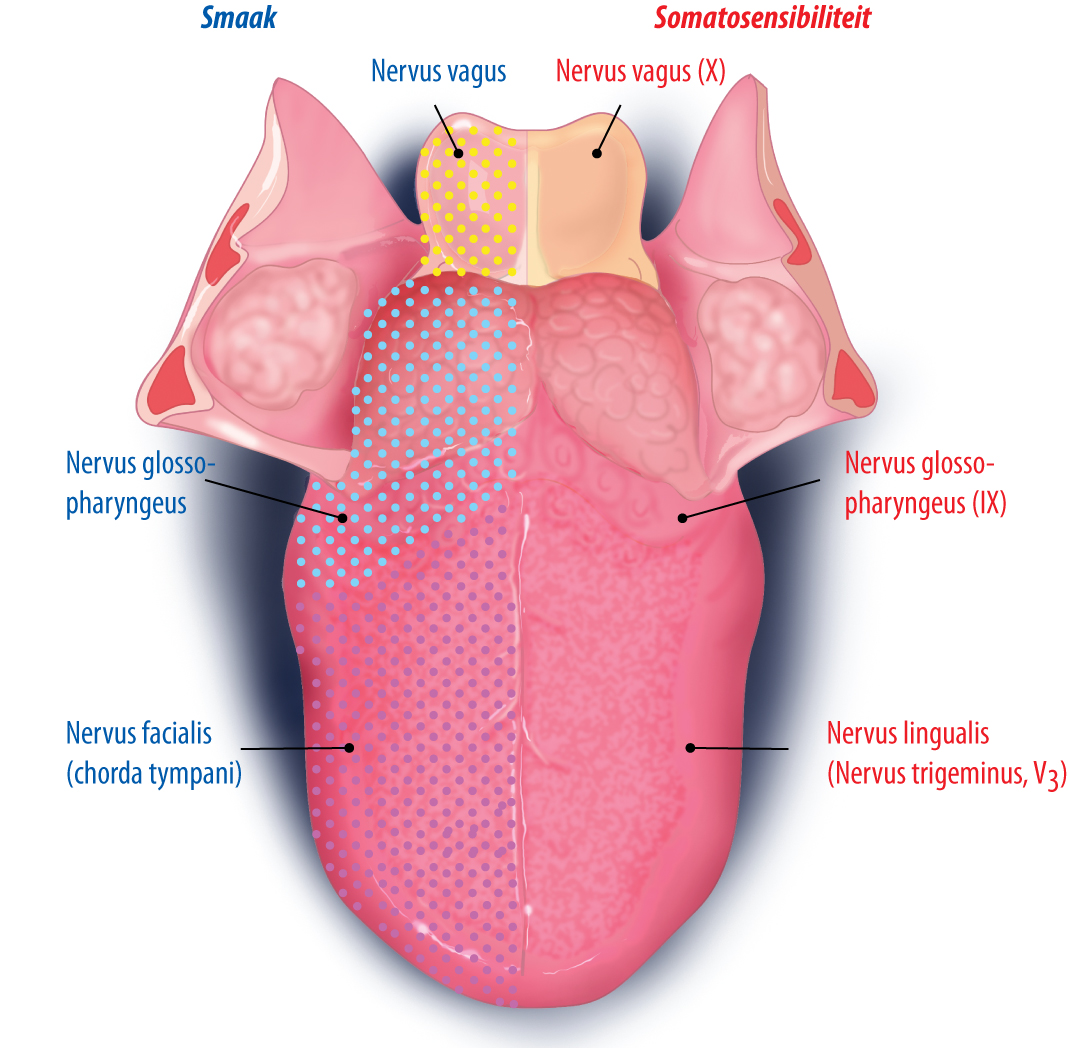
Slagter - Drawing Innervation of tongue and epiglottis: taste ...

A&P Lab 12 Tongue Diagrams Flashcards | Quizlet

Comic text pop art woman show tongue. Pop art woman show ...

Bio 168 Chapter 16 Flashcards | Quizlet

Human Teeth Structure With Labels High-Res Vector Graphic ...

Tongue Label

Brick Tongue Label T-Shirt Black - Mens Clothing from Attic ...

REEBOK CLUB C 85 – Jakjek Store

Vector Hand Drawn Illustration of Mouth with Tongue. Stock ...

Deep Learning Multi-label Tongue Image Analysis and Its ...

DRAW IT NEAT: How to draw and label the tongue

adidas Summer Tongue Label Tee - Orange | adidas Malaysia
Has the design of the label on the inner tongue changed? Left ...

Draw and label the diagram showing the structure of the tongue

Human Tongue Structure Cartoon Stock Illustration 368821694 ...
Solved] Label the structure associated with taste. Chp 30, 32 ...

Human Tongue Parts, Functions with Details and Diagram ...

Taste bud - Wikipedia

Pop art woman show tongue, dare, open lips, wow. Comics book ...

TPU Sports shoes labels Shoes white labels Shoe tongue label for shoes Sports shoes, shoes size labels
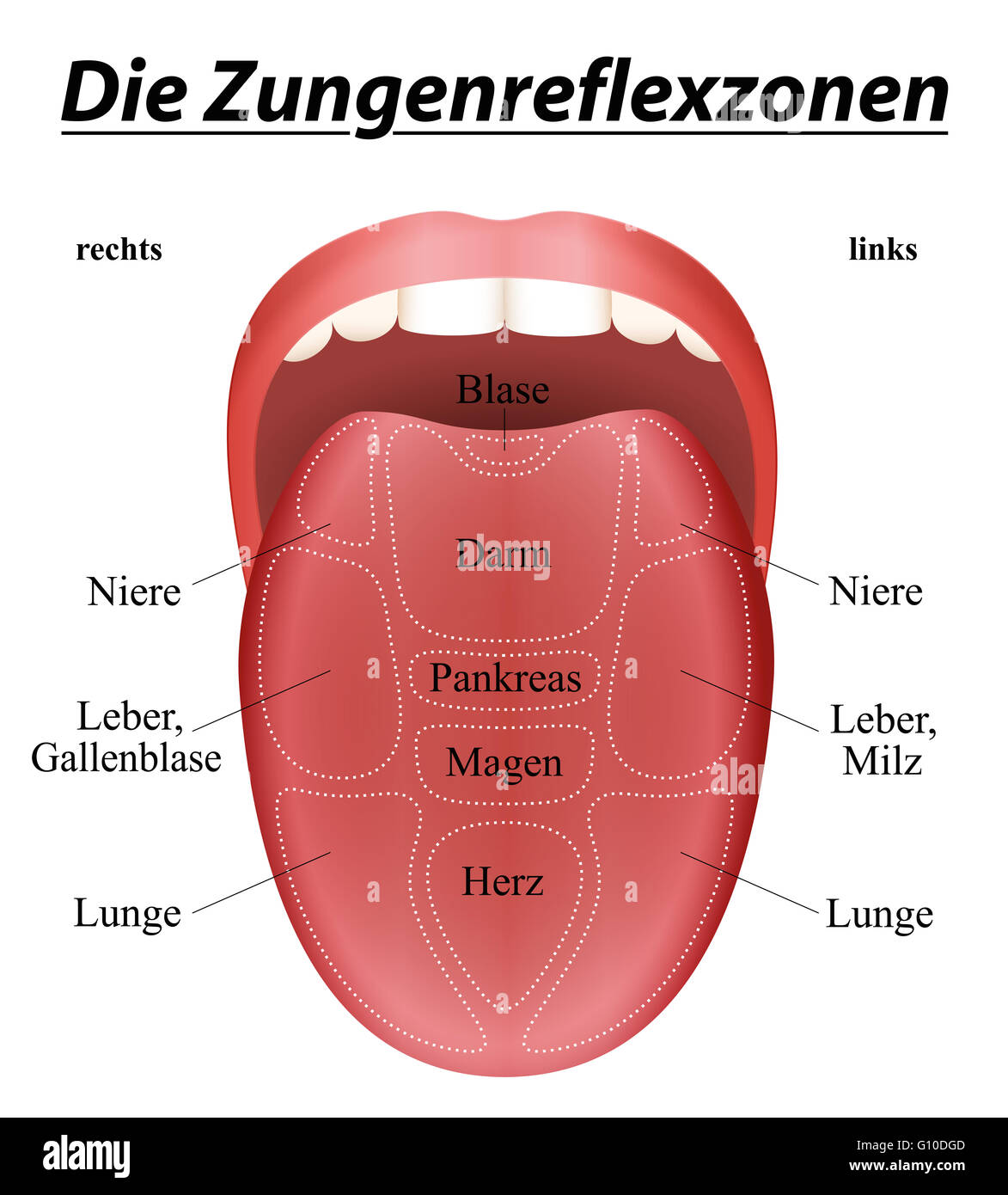
Tongue reflexology chart - GERMAN LABELING - with description ...

Jual Promo Aosuo 6Pcs Tongue Shape Wine Glass e Label ...

Post a Comment for "42 label of tongue"